
Betting Exchanges and the Epsom Derby: Backing, Laying and Trading the Market
 Available in US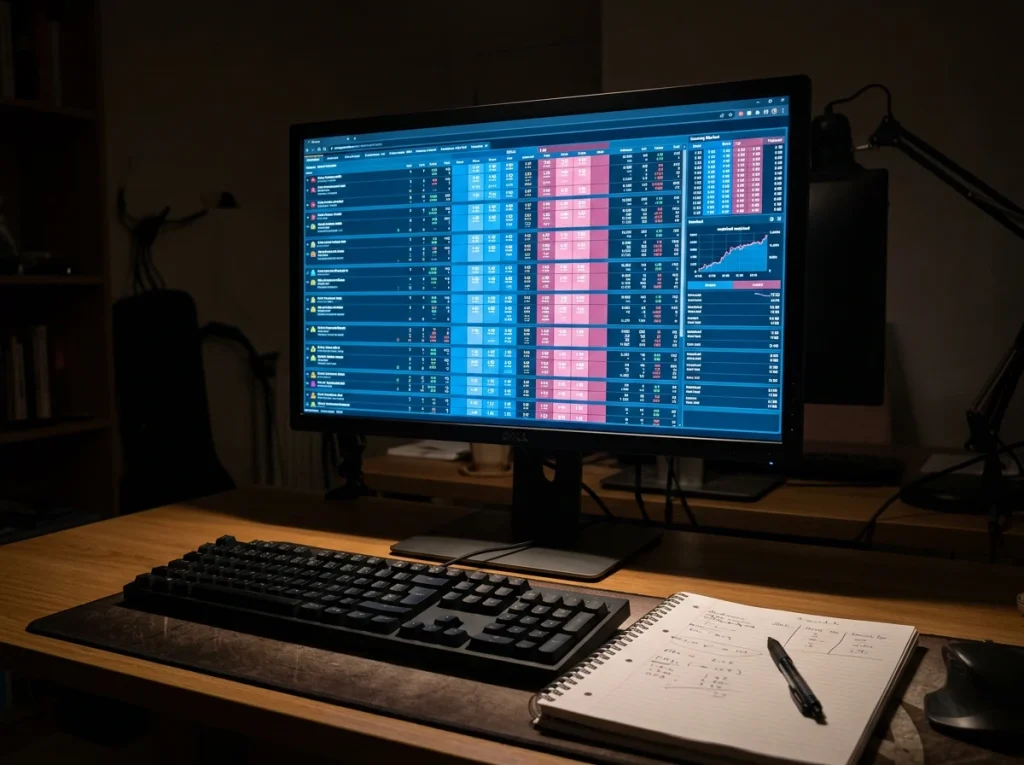
The first time I used an exchange on the Derby, I backed a horse at 12.0 in the morning and watched the price shorten to 7.0 by the afternoon. I could have traded out for a guaranteed profit before the race even started. I did not – the horse finished fourth and I collected nothing. That experience taught me the difference between exchange betting and traditional bookmaker betting in the most expensive way possible: exchanges give you options that bookmakers do not, but only if you use them.
See also: epsom derby betting and trade on betting exchanges.
How an Exchange Differs from a Bookmaker on the Derby
A bookmaker sets the odds and takes the other side of your bet. An exchange is a marketplace where punters bet against each other. When you back a horse at 10.0 on an exchange, another user is laying that horse at 10.0. The exchange takes a commission on winning bets – typically 2% to 5% – and does not care which side wins. There is no built-in bookmaker margin inflating the odds against you.
That structural difference produces tighter prices. The overround on a bookmaker’s Derby market might be 115% to 120%, meaning the combined implied probabilities of all runners exceed 100% by the bookmaker’s margin. On an exchange, the overround is often closer to 101% to 103%, because the prices are set by competing punters rather than a trading desk. Remote horse racing betting generated 766.7 million pounds in gross gambling yield in 2024/25, and exchanges capture a meaningful slice of that figure precisely because their pricing model is more efficient.
The trade-off is that exchanges do not offer best odds guaranteed, free bets, or promotional enhancements. The price on the screen is the price you get, minus commission. For punters who rely on BOG or promotional value, bookmakers remain the better choice. For punters who prioritise raw price and the ability to trade, exchanges are superior.
Laying a Derby Runner: When and Why You Would Bet Against
Laying is the defining feature of exchange betting. When you lay a horse, you are betting that it will not win. You are, in effect, acting as the bookmaker for anyone who wants to back that horse. If the horse loses, you collect their stake. If it wins, you pay out at the agreed odds.
The Derby is one of the best Group 1 races for laying because the favourite’s failure rate is so high. Only three of the last ten favourites have won. If you had laid every Derby favourite at starting price over the past decade, you would have collected seven times and paid out three. The maths of that approach depends on the specific odds, but the principle is sound: a race where the favourite fails 70% of the time is structurally favourable for layers.
Laying is not free money. When Lambourn won the 2025 Derby at 13/2, anyone who had laid it at that price faced a liability of six and a half times their backer’s stake. The potential losses on a single winning lay bet can be large, which is why staking discipline on the lay side is even more critical than on the back side. I limit my lay liabilities on any single Derby runner to 5% of my exchange bankroll – a figure that allows me to absorb a loss without it ending my day.
Trading a Derby Position: Locking In Profit Before the Off
Trading is the exchange equivalent of buying low and selling high. You back a horse at a big price and then lay it at a shorter price, locking in a guaranteed profit regardless of the result. Or you lay at a short price and back at a longer price if the market moves against the horse.
The Derby’s ante-post market is particularly fertile ground for trading. Prices move sharply after trial results, and a horse that wins the Dante might shorten from 14.0 to 6.0 within 48 hours. If you backed it at 14.0 before the trial and lay it at 6.0 afterwards, you have a position that profits whether the horse wins the Derby or not. The profit is smaller than an outright win at 14.0, but the risk is zero.
Race-day trading operates on a compressed timescale. Prices move from the morning market through to the off, and sharp movements – a horse being backed heavily from 8.0 to 5.0 in the final hour – create trading windows for punters who are already positioned. The key is being in the market early enough to benefit from the move. If you arrive at the exchange at 3pm on Derby day, the biggest price movements are already behind you.
Exchange Commission and How It Affects Your Net Returns
Exchange commission is deducted from your net winnings on a market. Standard rates range from 2% on the most competitive platforms to 5% on others, with discounts available for high-volume users. Online betting turnover on horse racing has fallen by 1.6 billion pounds since 2022, but exchange turnover on marquee events like the Derby has held up relatively well because the pricing advantage attracts serious punters even as the broader market contracts.
See also: Epsom Derby Cash Out with additional insights and data.
Commission changes the maths on every bet. A horse trading at 10.0 on the exchange is not directly comparable to 9/1 at a bookmaker, because the exchange price is subject to commission. At a 5% commission rate, a winning 10.0 back bet returns 9.55 to the stake after commission – effectively 8.55/1 net. At 2% commission, the net return is 9.8 to the stake, or 8.8/1. These are still competitive with bookmaker prices on the Derby, but the comparison is not as straightforward as it appears on the screen.
For laying, commission is a benefit rather than a cost in one sense: you only pay commission when you win the market, meaning when the horse you laid loses. If the horse wins and you pay out, there is no commission on that loss. This asymmetry means that exchange laying on the Derby carries a slightly more favourable commission structure than backing, which is another reason the lay side of the market attracts experienced punters. For a complete overview of how to compare exchange and bookmaker prices on the same Derby field, the odds comparison guide provides the framework.
